Australia's New Migration Crackdown: What International Students Need to Know
From a family ban to the end of visa hopping, Australia's latest migration rules will reshape student life. Here's what you need to know
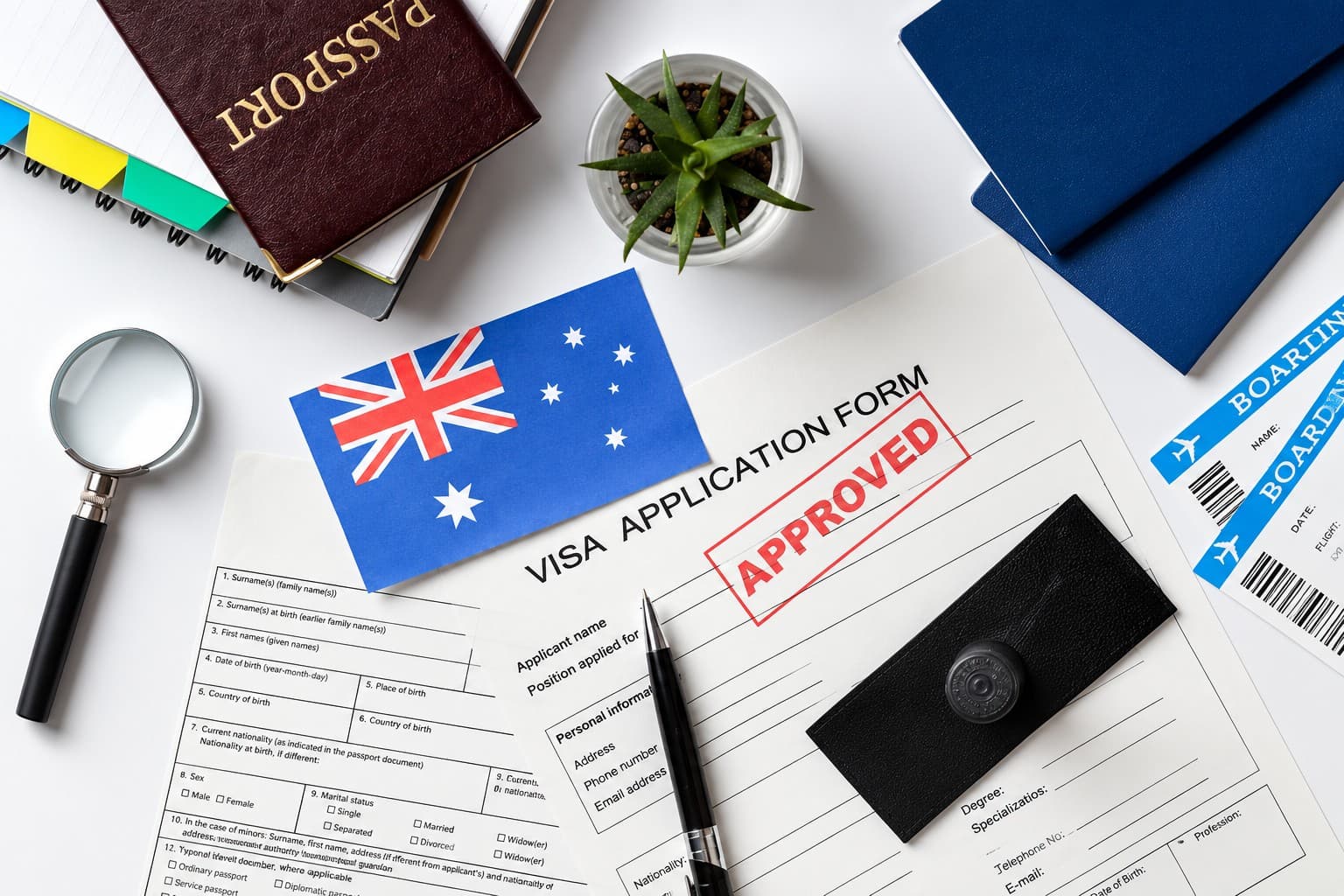
Australia is tightening the rules for international students again. On 17 September 2026, Home Affairs Minister Tony Burke announced a migration crackdown that stops most students from bringing their families, ends "visa hopping" between courses and adds new limits on visitor and working holiday visas.
The goal is to cut net overseas migration from about 292,000 people today to 245,000 in 2026–27 and 225,000 by 2027–28. At the same time, the government says it still wants 295,000 new international students to start studying in 2027.
If you are studying in Australia, or planning to, here is what the Australia migration crackdown means for you and what you can do now.
1. Most students can no longer bring their family
The biggest change is a ban on adding partners and children to most student and graduate visas. In the year to June 2026, around 46,000 of the 337,400 student visas granted were for dependents.
● Who is exempt: PhD students, students from Pacific and South-East Asian countries, and overseas government-sponsored students.
● Who is not affected: families already in Australia on a student visa. As Burke put it, "we're not going to be breaking up families onshore."
● When it starts: no start date has been confirmed yet. The changes are expected to come through regulation and ministerial direction, not new legislation.
2. The end of "visa hopping"
Students who want to change course or provider will need a new student visa, except in extenuating circumstances. You will also only be able to renew your visa if you move up the qualification scale. "You can go up the qualification scale, but only up the qualification scale," Burke said.
The government has already acted on this. On 3 September 2026 it stopped new international enrolments in the Graduate Diploma of Management (Learning), a VET course whose transfers jumped from 510 in 2020 to 4,000 in 2025. Current students can finish the course.
3. Higher visa fees
The student visa (subclass 500) application charge rose from A 2, 000𝑡𝑜𝐴 2,500 on 1 July 2026, a 25% increase. A lower A$2,050 rate applies to ELICOS students and eligible Pacific, Timor-Leste and some ASEAN citizens.
4. A steady cap on new students
The National Planning Level for 2027 stays at 295,000 new international students, the same as 2026. Once your chosen provider reaches 80% of its allocation, new visa applications for that provider are processed more slowly. Apply early.
5. No switching from a visitor visa All visitor visas will carry a "no further stay" condition. This includes people doing short English or VET courses of three months or less, who will no longer be able to apply for a student visa from inside Australia.
Work rights and the post-study (485) visa
Your work rights while studying have not changed. Student visa holders can still work up to 48 hours per fortnight during study periods and unlimited hours during official course breaks. Staying on after graduation is getting harder and more expensive.
The Temporary Graduate visa (subclass 485) fee for a main applicant doubled on 1 March 2026, from AUD 2.300 to AUD 4,600.
The dependent ban will also apply to graduate visas, so new 485 applicants may not be able to add a partner or children.
What international students should do now
1. Don't panic if your family is already here. Dependants already in Australia on your visa are not affected.
2. Think twice before changing course. Under the new rules, a course change may need a new visa, and moving to a lower-level qualification may not be allowed.
3. Apply early for 2027 intakes. Applications slow down once a provider fills 80% of its allocation.
4. Budget for higher fees. Plan for AUD 2.300 to AUD 4,600.0 for a 485 visa.
5. Stay within your work limit. Keep to 48 hours per fortnight during study periods. 6. Follow official sources. Check the Department of Home Affairs website for start dates, and speak to a registered migration agent (MARA) about your situation.
FAQ Can international students still bring their partner to Australia?


Comments
Loading the conversation…
Comments are moderated after they go up. Anything abusive, defamatory or off-topic gets removed — see the comment policy.