Australia to ban card surcharges from October: what changes for consumers
From October 1, 2026, major card networks will stop businesses from charging extra fees for most card payments, changing how Australians pay at the checkout.
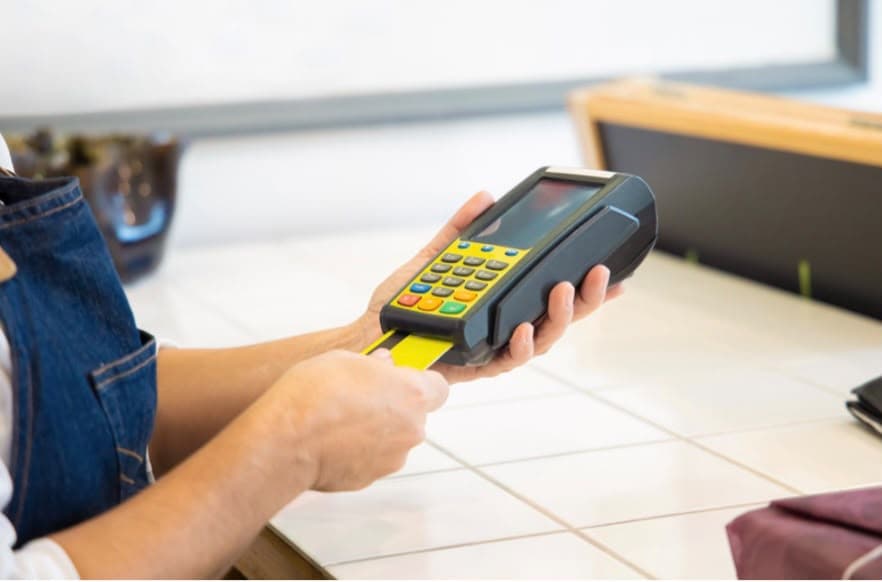
If you've lived in Australia for a while, you've probably experienced it. You order a coffee for $5.50, tap your card and suddenly the EFTPOS machine shows $5.59.
Those small card surcharges have become normal in everyday Australian life, but that is about to change from October.
From October 1, 2026, major card networks including Visa, Mastercard, eftpos and American Express will introduce rules preventing businesses from adding a surcharge simply because customers choose to pay by card.
For international students, migrants and tourists who rely heavily on contactless payments, the change could make everyday spending much more straightforward.
Why is Australia changing the rules?
The Reserve Bank of Australia reviewed the country's payment system and concluded that card surcharges were no longer working as intended. When surcharging was introduced, the idea was to encourage consumers to choose cheaper payment methods. But Australia has increasingly moved away from cash, making card payments difficult to avoid.
The RBA also found that consumers and businesses considered the current system complicated and that surcharges were not always clearly disclosed.
So will every surcharge disappear? No.
Businesses can still charge additional fees for things such as weekends, public holidays or certain booking and service arrangements.
The key difference is that they generally won't be able to charge you extra simply because you decided to tap your Visa, Mastercard, eftpos or other participating card. There is another important detail: businesses still have to pay for card processing.
The RBA is reducing certain interchange fee caps at the same time, but merchants will continue to face payment processing costs. Some businesses may therefore decide to incorporate those costs into their standard prices instead.
So while Australians may finally say goodbye to the awkward “1.5% card surcharge” message at the checkout, that doesn't necessarily mean the underlying cost disappears. The biggest difference is transparency: consumers should have a clearer idea of what they're actually going to pay before reaching the EFTPOS terminal. References
● Reserve Bank of Australia — Retail Payments Statistics, June quarter 2026
● Reserve Bank of Australia — Frequently Asked Questions: Removal of Card Payment Surcharges From 1 October 2026
● Reserve Bank of Australia — Review of Merchant Card Payment Costs and Surcharging
● Reserve Bank of Australia — Credit Cards Regulatory Framework


Comments
Loading the conversation…
Comments are moderated after they go up. Anything abusive, defamatory or off-topic gets removed — see the comment policy.