Tesla’s ‘Airbnb on Wheels’: Could the Cybercab Eventually Earn Money While Its Owner Sleeps?
Elon Musk’s long-promoted vision of privately owned autonomous Teslas operating as robotaxis is moving closer to reality, although major regulatory and commercial questions remain.
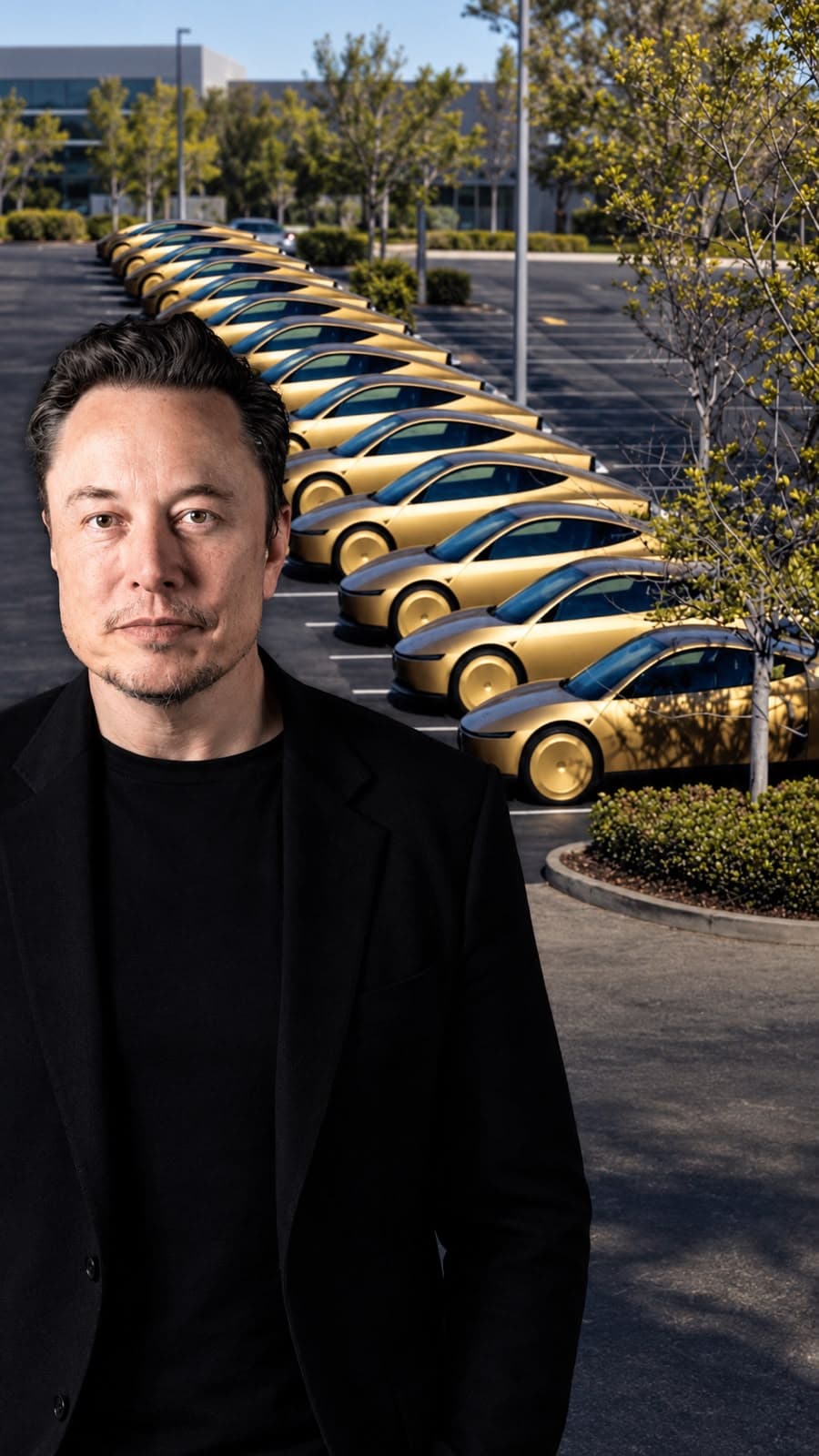
Tesla’s Cybercab has once again put Elon Musk’s ambitious vision for autonomous transportation in the spotlight: a future in which a car is not simply a personal vehicle, but potentially an income-producing asset.
Musk has repeatedly described a model in which autonomous Tesla vehicles could eventually join the company’s ride-hailing network when their owners are not using them. The concept is frequently compared with an “Airbnb on wheels” — allowing owners to make an otherwise idle asset available to paying customers.
The central vehicle in that strategy is the Tesla Cybercab, a compact two-seat autonomous car designed from the beginning to operate without a steering wheel or pedals.
When Tesla unveiled the Cybercab in October 2024, Musk said the company was targeting a price of below US$30,000 and expected production to begin in 2026. At the time, however, Tesla did not provide a firm retail launch timetable or detailed regulatory plan.
From concept to real-world service
The project has since moved significantly closer to commercial reality.
Tesla said in July 2026 that production of the Cybercab had begun and that engineering vehicles were already being tested on public roads. The company also reported expanding its autonomous Robotaxi operations into several U.S. cities.
By early September, Tesla had begun limited Cybercab passenger operations in Austin, Texas. The vehicle is now being incorporated into Tesla’s Robotaxi fleet alongside the Model Y.
Tesla’s official Robotaxi website currently lists autonomous rides in Austin, Dallas, Houston, Miami, Orlando and Tampa, although service availability can vary by city and vehicle type.
Can ordinary people buy one yet?
Despite viral social-media posts suggesting customers can already purchase a Cybercab for US$30,000 and immediately begin making passive income, that is not yet established.
Tesla’s current Cybercab information focuses on its use inside the company’s Robotaxi fleet, while Tesla has not published a confirmed consumer sales date or final retail price for private buyers.
The sub-US$30,000 figure therefore remains a target previously announced by Musk rather than a currently available purchase price.
How the “Airbnb on wheels” idea would work
Under Musk’s broader vision, a Tesla owner could theoretically use the vehicle personally when needed and then make it available to Tesla’s autonomous network during unused periods.

Passengers would request a vehicle through an app, while the car would travel without a human driver, complete the trip and potentially generate revenue for its owner.
For owners, the attraction is obvious: cars normally remain parked for much of their lives. Turning those unused hours into paid passenger trips could fundamentally change the economics of vehicle ownership.
For Tesla, such a system could potentially allow the company to build a large transportation network without directly owning every vehicle in the fleet.
Regulation remains one of the biggest obstacles
The technology is progressing, but regulatory approval remains a significant issue.
The Cybercab does not have several features traditionally required in passenger vehicles, including a steering wheel and pedals. U.S. regulators have consequently begun scrutinising how Tesla certified the vehicle for road use.
Questions also remain around insurance, liability, passenger safety, local transport licences and how privately owned autonomous vehicles would be regulated if they were used commercially.
Those rules could differ substantially between countries — meaning that even if Tesla eventually sells the Cybercab privately in the United States, an equivalent owner-operated robotaxi model in Australia could require separate regulatory approval.
A major shift in what it means to own a car
If Tesla ultimately delivers the model Musk has described, the Cybercab could represent something larger than another electric vehicle.
It could shift the concept of car ownership from a depreciating personal asset into something closer to a small automated transport business.
But for now, there is an important distinction between Tesla’s long-term vision and what consumers can actually purchase and operate today.
The Cybercab is real, production has begun and passenger operations are underway in parts of the United States. The idea that an ordinary owner can purchase one for under US$30,000 and immediately send it out to earn money while they sleep, however, remains a future scenario rather than an established consumer service.
Would you trust a fully driverless vehicle — and would you buy one if it could generate income when you were not using it?



Comments
Loading the conversation…
Comments are moderated after they go up. Anything abusive, defamatory or off-topic gets removed — see the comment policy.