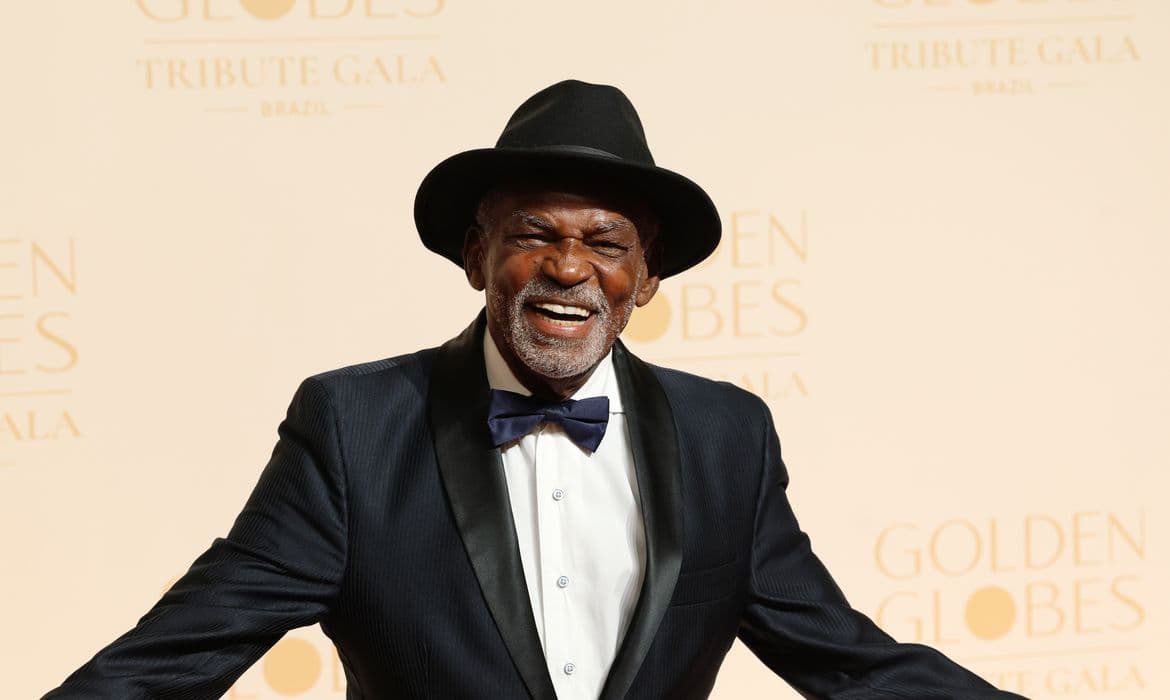
The ballroom of the Copacabana Palace Hotel was filled with a rare feeling on Wednesday (Mar. 18): for a few hours, Brazilian cinema stopped seeking recognition and finally received it at home. The first edition of the…
The first edition of the Golden Globes Tribute Gala Brazil brought together artists, producers, public officials, and international figures in a format reminiscent of the traditional Golden Globe Awards nights in Los Angeles - but with a Brazilian accent, repertoire, and emotion.
Notícias relacionadas:
- “The Secret Agent” gets four Oscar nominations.
- Fernanda Torres celebrates Oscar nomination in emotional video.
- Brazil: "I'm Still Here" wins Oscar for Best International Feature.
“Brazil has long been a creative powerhouse. Its artists have offered the world stories that transcend language and connect with audiences everywhere. This past year has been a powerful demonstration of that influence,” she said.
More than an institutional speech, the words resonated in the room: the night seemed a direct consequence of a recent cycle of victories, nominations, and international participation.
Actress Fernanda Montenegro and actor and director Antonio Pitanga were honored with the Golden Globes Apogee Award, which recognizes careers with a lasting impact on the industry.
Alongside his daughter Camila Pitanga, actor Antonio Pitanga reflected on the significance of the moment. “It’s one of the most important moments of my life. Looking back, I see our journey.”
He broadened the meaning of the tribute: “It’s not about Antonio Pitanga being honored. It’s about Brazilian cinema. The history of Brazilian cinema is being honored through Pitanga. It brings to mind Glauber Rocha, Cacá Diegues, Sérgio Ricardo, Joaquim Pedro… and so many others who made this moment possible.”
In an almost ritualistic tone, he concluded: “Today, all emotions are in one body. I am an orixá (a deity in Afro-Brazilian religions).”
The awards ceremony also highlighted a new generation. Valentina Herszage received the Golden Globes Ascension Award, while Adolpho Veloso was recognized as he begins to emerge on the international scene.
One of the leading actresses in Brazilian cinema, Dira Paes, who has worked across different phases of the country’s audiovisual production, highlighted the symbolism of the event being held in Brazil. “Tonight is a very special night. A tribute to our cinema. This decision to be in Brazil is spot on. Brazil reflects the kind of world we want today, in terms of diversity,” she said.
Paes also pointed to the future of co-productions: “We want to break down language barriers, make films with other countries, and show that we are a powerful, vibrant market that intends to maintain its position.”
Along the same lines, RioFilme CEO Leo Edd highlighted the strategic impact of the event. “Bringing the Golden Globes to Rio firmly places the city on the map of major productions and key audiovisual decisions. This is directly linked to investment, attracting productions, and strengthening the local industry.”
The evening was also a meeting of past, present, and future. Actor Vinícius de Oliveira, who as a teenager was part of the landmark film Central do Brasil (Central Station) - winner of the Golden Globe for Best Foreign Language Film in 1999 - revisited his own trajectory.
“I can go back in time. I was 13 years old, standing there on stage while Fernanda [Montenegro] delivered her speech… that moment left a deep mark on me and on Brazilian cinema,” he recalled. “It is no coincidence that this event is taking place here.”
Recognition
Actor Chico Diaz offered a necessary counterpoint. “There is a well-recognized, cutting-edge cinema, but much of our production does not reach the public,” he stated.
According to him, the challenge lies in the sector’s structure. “Where are our screens? Where is our cinema? The discussion of streaming and streaming laws can make our cinema truly competitive on the international stage.”
Even so, the perception of progress prevails. For Lázaro Ramos, this moment represents continuity rather than exception: “After a wonderful year, another strong film has arrived. And looking at what’s coming, I believe we will continue to be very proud of our cinema.”
Originally published by Agência Brasil


Comments
Loading the conversation…
Comments are moderated after they go up. Anything abusive, defamatory or off-topic gets removed — see the comment policy.